Business professionals are discovering that ChatGPT can dramatically accelerate their workflow, but knowing what to ask is half the battle. This comprehensive guide provides 50+ battle-tested ChatGPT prompts specifically designed for business use cases, organized by function and ready to customize for your needs. Whether you're drafting executive emails, creating strategic reports, writing marketing copy, or preparing presentations, these professional AI prompts help you maintain quality while saving 5-10 hours per week. Each prompt is optimized for business contexts and can be customized with your specific industry, company details, and requirements. For foundational prompt engineering techniques, see our guide on how to structure your prompts for better AI responses.
Email Writing Prompts for Business Professionals
Professional email communication is one of the most time-consuming aspects of business. These ChatGPT prompts help you craft clear, professional emails quickly while maintaining appropriate tone and clarity.
- Client follow-up email: "Write a professional follow-up email to a client after a meeting. Include: thank you for their time, key points discussed, next steps with deadlines, and request for any additional information needed. Keep it concise and action-oriented."
- Meeting request email: "Draft a meeting request email to schedule a 30-minute strategy session. Include: purpose of the meeting, proposed dates/times, agenda items, and what preparation is needed. Make it professional but friendly."
- Apology email: "Create a professional apology email for a delayed project delivery. Include: sincere apology, brief explanation (without excuses), new timeline, steps taken to prevent future delays, and offer to discuss solutions. Maintain professionalism and accountability."
- Introduction email: "Write an introduction email to a potential business partner. Include: who you are and your role, why you're reaching out, what value you can offer, and a clear call-to-action. Keep it warm but professional."
- Status update email: "Draft a project status update email for stakeholders. Include: current progress, completed milestones, upcoming deadlines, any blockers or risks, and next steps. Use clear formatting with bullet points."
- Thank you email: "Create a professional thank you email after receiving help or support. Include: specific appreciation for what they did, impact of their assistance, and offer to reciprocate. Keep it genuine and brief."
- Proposal email: "Write an email presenting a business proposal. Include: executive summary, key benefits, pricing overview, timeline, and next steps. Make it compelling but not pushy."
- Reminder email: "Draft a polite reminder email for an overdue task or response. Include: original request context, why it's important, new deadline, and offer to discuss if there are concerns. Maintain a helpful, not demanding tone."
These email prompts can save 2-3 hours per week on routine communications. Customize them by adding your company name, industry context, and specific requirements. For more advanced email techniques, explore our comprehensive ChatGPT prompting guide.
Report and Analysis Prompts
Business reports require structure, clarity, and data-driven insights. These prompts help you create comprehensive reports that communicate effectively with stakeholders.
- Executive summary: "Create an executive summary for a quarterly business report. Include: key metrics and performance highlights, major achievements, challenges faced, financial overview, and strategic recommendations. Keep it to one page, high-level, and action-oriented."
- Market analysis report: "Draft a market analysis report structure for [industry]. Include: market size and trends, competitive landscape, target customer segments, opportunities and threats, and strategic recommendations. Use data-driven insights."
- Performance review: "Write a performance review template for [department/team]. Include: objectives achieved, key accomplishments, areas for improvement, development goals, and next quarter priorities. Make it constructive and specific."
- Financial analysis: "Create a financial analysis report structure. Include: revenue breakdown, expense analysis, profitability metrics, cash flow summary, budget variance, and financial projections. Use clear sections and visual descriptions."
- Project post-mortem: "Draft a project post-mortem report template. Include: project objectives and outcomes, what went well, challenges encountered, lessons learned, and recommendations for future projects. Focus on actionable insights."
- Competitive analysis: "Write a competitive analysis framework. Include: competitor overview, product/service comparison, pricing analysis, market positioning, strengths and weaknesses, and strategic recommendations. Use structured format."
- Customer feedback report: "Create a customer feedback analysis report structure. Include: feedback themes and categories, sentiment analysis, key pain points, positive highlights, action items, and priority recommendations."
Strategy and Planning Prompts
Strategic thinking requires structured analysis and clear frameworks. These prompts help you develop comprehensive business strategies and plans.
- Business strategy framework: "Develop a strategic planning framework for [business type/industry]. Include: vision and mission alignment, SWOT analysis structure, strategic objectives, key initiatives, success metrics, and implementation timeline. Make it actionable."
- SWOT analysis: "Conduct a SWOT analysis for [company/product/service]. Analyze: internal strengths and weaknesses, external opportunities and threats, strategic implications, and recommended actions. Be specific and data-driven."
- Go-to-market strategy: "Create a go-to-market strategy for [product/service]. Include: target market definition, value proposition, pricing strategy, distribution channels, marketing approach, and success metrics. Make it comprehensive."
- Growth strategy: "Develop a growth strategy framework for [business]. Include: growth objectives, target markets, expansion opportunities, resource requirements, risk assessment, and implementation roadmap. Focus on scalability."
- Risk management plan: "Draft a risk management plan structure. Include: risk identification, risk assessment (probability and impact), mitigation strategies, contingency plans, and monitoring procedures. Use a risk matrix format."
- Quarterly planning: "Create a quarterly business plan template. Include: quarterly objectives, key initiatives, resource allocation, success metrics, milestones, and review schedule. Make it measurable and time-bound."
- Innovation strategy: "Develop an innovation strategy framework. Include: innovation goals, focus areas, ideation process, evaluation criteria, implementation approach, and success metrics. Encourage creativity while maintaining business focus."
Marketing and Sales Prompts
Marketing and sales content requires persuasion, clarity, and audience understanding. These prompts help you create compelling marketing materials and sales communications.
- Marketing campaign brief: "Create a marketing campaign brief for [product/service]. Include: campaign objectives, target audience, key messages, channels, budget allocation, timeline, and success metrics. Make it comprehensive and actionable."
- Sales email sequence: "Develop a 5-email sales sequence for [product/service]. Include: introduction email, value proposition email, case study email, objection handling email, and closing email. Make each email focused and persuasive."
- Social media content: "Create 10 social media post ideas for [business/industry]. Include: mix of educational, promotional, and engaging content. Specify platform (LinkedIn, Twitter, Instagram) and include hashtag suggestions."
- Product description: "Write a compelling product description for [product]. Include: key features and benefits, target customer pain points addressed, unique selling proposition, and clear call-to-action. Make it persuasive but honest."
- Blog post outline: "Create a blog post outline about [topic] for [target audience]. Include: compelling headline, introduction hook, 5-7 main sections with subheadings, key takeaways, and conclusion with call-to-action."
- Landing page copy: "Draft landing page copy for [product/service]. Include: attention-grabbing headline, value proposition, key benefits (bullet points), social proof elements, and strong call-to-action. Focus on conversion."
- Press release: "Write a press release for [announcement/event]. Include: compelling headline, dateline, lead paragraph (who, what, when, where, why), body paragraphs with details, quotes, and boilerplate. Follow standard PR format."
- Case study structure: "Create a case study template. Include: client background, challenge/problem, solution implemented, results achieved (with metrics), and key takeaways. Make it story-driven and results-focused."
HR and Management Prompts
Human resources and management tasks require clear communication, fairness, and structure. These prompts help you handle HR and management responsibilities effectively.
- Job description: "Create a comprehensive job description for [position]. Include: job title, department, reporting structure, key responsibilities, required qualifications, preferred skills, compensation range, and company culture fit. Make it clear and attractive."
- Performance improvement plan: "Draft a performance improvement plan template. Include: performance concerns (specific and measurable), expected improvements, support and resources provided, timeline, review dates, and consequences. Make it constructive and fair."
- Team meeting agenda: "Create a team meeting agenda for [purpose]. Include: meeting objectives, discussion topics with time allocations, action items from previous meeting, decisions needed, and next steps. Keep it focused and time-bound."
- Employee feedback: "Write constructive feedback for an employee. Include: specific examples of performance, strengths observed, areas for improvement, actionable suggestions, and encouragement. Make it balanced and helpful."
- Onboarding plan: "Develop a 30-day onboarding plan for [position]. Include: week-by-week objectives, training modules, key stakeholders to meet, resources to review, and success metrics. Make it comprehensive and supportive."
- Policy document: "Draft a [policy type] policy document. Include: policy purpose, scope and applicability, detailed procedures, responsibilities, compliance requirements, and review process. Make it clear and enforceable."
- Recognition message: "Write a recognition message for an employee's achievement. Include: specific accomplishment, impact on team/business, appreciation, and encouragement. Make it genuine and specific."
Finance and Operations Prompts
Financial and operational documentation requires precision, clarity, and compliance. These prompts help you create accurate financial documents and operational procedures.
- Budget proposal: "Create a budget proposal for [project/department]. Include: budget overview, line items with justifications, cost breakdown, timeline, assumptions, and approval request. Make it detailed and defensible."
- Vendor comparison: "Develop a vendor comparison framework. Include: vendor profiles, feature comparison, pricing analysis, pros and cons, risk assessment, and recommendation. Use structured format for easy comparison."
- Process documentation: "Document the [process name] process. Include: process overview, step-by-step procedures, roles and responsibilities, required tools/resources, quality checkpoints, and troubleshooting. Make it clear and actionable."
- Cost-benefit analysis: "Conduct a cost-benefit analysis for [initiative/project]. Include: cost breakdown, benefit quantification, ROI calculation, risk factors, timeline, and recommendation. Use data-driven approach."
- Operational plan: "Create an operational plan for [department/function]. Include: objectives, key activities, resource requirements, timelines, dependencies, success metrics, and risk mitigation. Make it comprehensive and realistic."
- Vendor contract summary: "Summarize a vendor contract. Include: key terms, pricing structure, deliverables, timelines, service levels, termination clauses, and important obligations. Make it concise but complete."
Presentation and Communication Prompts
Effective presentations require clear structure, compelling narratives, and audience engagement. These prompts help you create impactful business presentations.
- Executive presentation: "Create an executive presentation outline for [topic]. Include: compelling opening, problem statement, solution overview, key benefits, implementation plan, and call-to-action. Keep it high-level and persuasive."
- Pitch deck structure: "Develop a pitch deck structure for [business/product]. Include: problem, solution, market opportunity, business model, traction, team, financials, and ask. Make it investor-focused and compelling."
- Training presentation: "Create a training presentation outline for [topic]. Include: learning objectives, key concepts, examples, interactive elements, practice exercises, and assessment. Make it engaging and educational."
- Quarterly review presentation: "Draft a quarterly review presentation structure. Include: performance highlights, key metrics, achievements, challenges, lessons learned, and next quarter priorities. Use visual-friendly format."
- Stakeholder update: "Create a stakeholder update presentation. Include: progress summary, key milestones, risks and issues, resource needs, and next steps. Tailor to stakeholder interests and concerns."
Best Practices for Using Business Prompts
To maximize the effectiveness of these business prompts, follow these proven best practices that ensure professional quality and accuracy.
Customize with Your Business Context
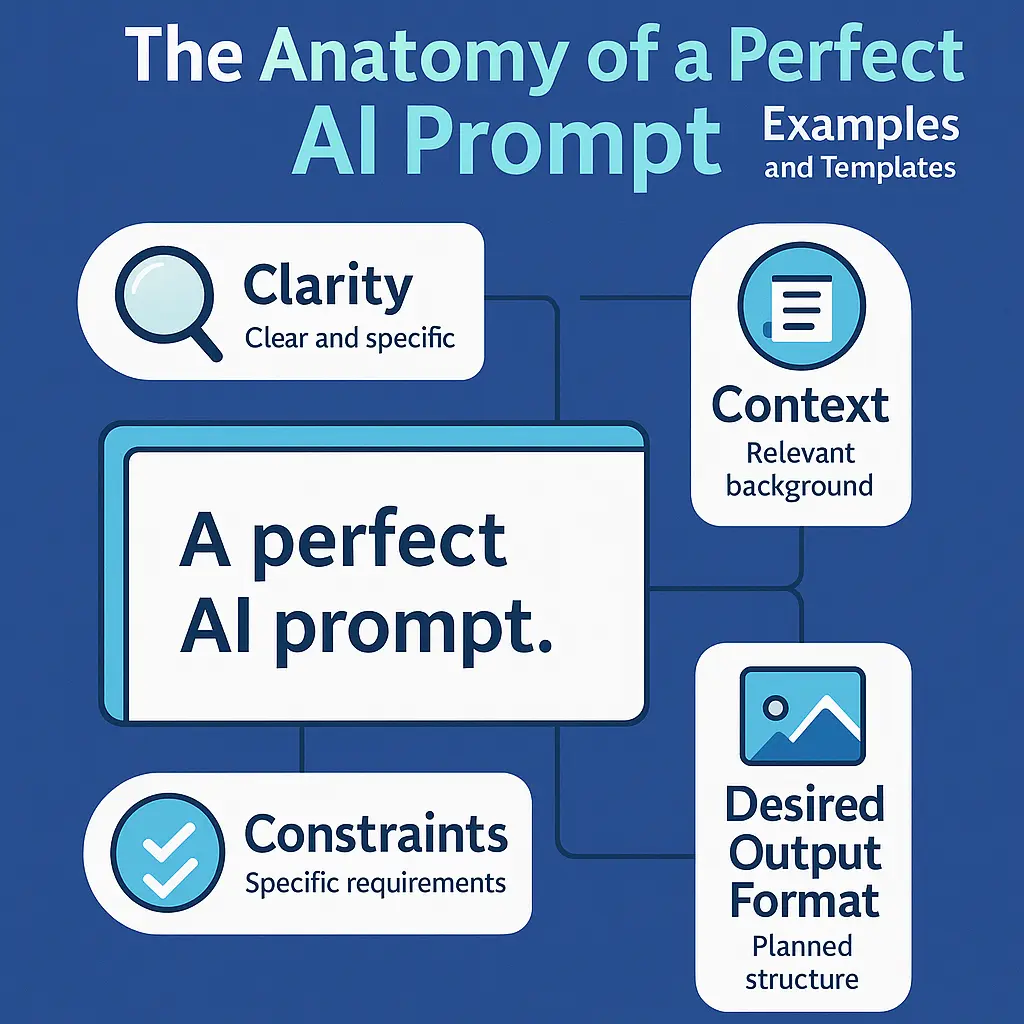
Always add your specific business context to generic prompts. Include:
- Your company name, industry, and size
- Target audience or customer persona details
- Brand voice and tone guidelines
- Specific requirements or constraints
- Relevant background information
Review and Refine AI Outputs
Never use AI-generated content without review. Always:
- Fact-check all data, statistics, and claims
- Verify accuracy of information
- Ensure brand voice consistency
- Check for compliance with industry regulations
- Customize generic language to your specific situation
- Add personal touches and authentic details
Iterate for Better Results
Use ChatGPT's conversation context to refine outputs. Start with a base prompt, review the result, then ask for specific improvements like:
- "Make the tone more formal/casual"
- "Add more specific examples"
- "Expand section 3 with more detail"
- "Include data points to support claims"
- "Shorten to [X] words"
Advanced Prompt Customization Techniques
Take these prompts to the next level by applying advanced customization techniques that produce more targeted, professional results.
Add Role-Based Context
Assign ChatGPT a specific business role to get more relevant outputs:
You are a senior marketing director with 15 years of experience in B2B SaaS.
Create a marketing campaign brief for [product] targeting [audience]...
Use Few-Shot Learning
Provide examples of your desired style or format:
Write an email in this style:
[Example email 1]
[Example email 2]
Now create a similar email for [your situation]...
Specify Output Format
Clearly define how you want the information structured:
Format your response as:
1. Executive Summary (2-3 sentences)
2. Key Findings (bullet points)
3. Detailed Analysis (3 paragraphs)
4. Recommendations (numbered list)
5. Next Steps (action items with owners)
Start Using Business Prompts Today
These 50+ ChatGPT prompts for business professionals represent a comprehensive toolkit for accelerating your business productivity. From routine emails to strategic planning, each prompt is designed to save you time while maintaining professional quality. The key to success is customization—adapt these prompts to your specific industry, company, and needs.
Start by identifying your most time-consuming tasks and matching them with relevant prompts from this guide. Customize the prompts with your business context, review and refine the outputs, and gradually build your personal library of high-performing prompts. As you become more comfortable with prompt engineering, you'll discover that ChatGPT becomes an indispensable productivity multiplier, helping you focus on high-value strategic work while automating routine communications and documentation. For more advanced techniques, explore our guides on the anatomy of a perfect AI prompt and how to write better prompts for ChatGPT.